Indian businesses in 2026 are being re‑engineered in real time by artificial intelligence, cloud computing, and data analytics. These are no longer buzzwords sprinkled into boardroom presentations; they are the operating system of modern growth. IT trends in India in 2026 sit at the intersection of ambition and execution, where digital transformation in India stops being a slogan and starts re‑shaping P&L statements.
The future of Information Technology is arriving faster than most annual plans, and the gap between early adopters and cautious followers is widening with every quarter. For many organizations, the shift is stark. IT used to be the department you called when the printer misbehaved. Now it is the engine behind new revenue streams, faster sales cycles, and real‑time decision-making.
Conversations that once revolved around “keeping the servers up” now dive into how artificial intelligence can unlock smarter pricing, how cloud computing can reduce time‑to‑market, and how data analytics can turn operational chaos into clarity. The future of IT in India is no longer just about support; it is about competitive strategy.
AI Is The Quiet Force Behind Bold Moves.
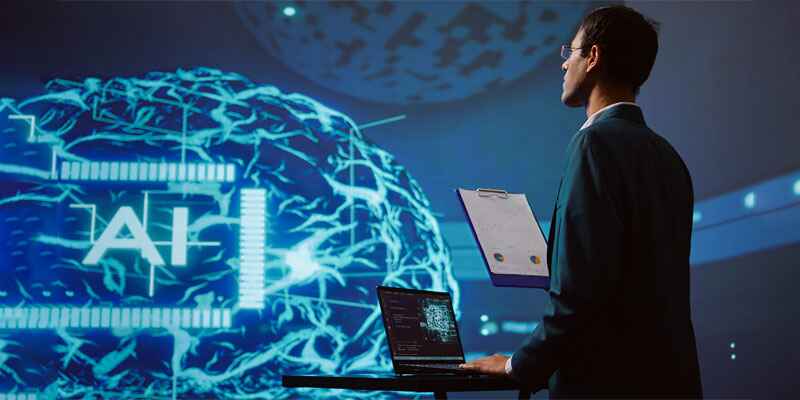
Artificial intelligence sits at the heart of IT trends in India in today's day and age. What was once an experimental line item in innovation budgets has become a fundamental layer of how Indian enterprises run. AI in India is powering recommendation engines in retail, fraud detection in financial services, predictive maintenance in manufacturing, and hyper-personalized experiences in healthcare.
The most interesting part is that the most effective AI is often invisible. Customers rarely know that artificial intelligence is guiding which product they see first, or which support query gets prioritized, or which truck leaves the warehouse at what time.
Leaders who truly understand the future of IT have stopped asking whether they “should do AI” and instead ask where artificial intelligence can quietly automate, optimize, and personalize without disrupting the human experience.
That shift, from shiny pilots to embedded capability, is what separates those following IT trends in India in 2026 from those shaping them.
Cloud Computing Is The New Business Infrastructure.
If AI is the brain, cloud computing is the nervous system of digital transformation in India. Almost every serious modernization effort eventually runs into the same question: how fast and how safely can we move critical workloads to the cloud? For Indian companies, that conversation has evolved from hesitancy to strategy. Hybrid and multi‑cloud architectures are becoming standard as organizations balance performance, compliance, and cost.
Cloud computing allows Indian businesses to experiment without fear. New applications can be deployed in days, global teams can collaborate in real time, and data analytics platforms can scale on demand. Instead of endlessly procuring hardware and waiting for long cycles, IT teams focus on architecture, security, and optimization.
The future of IT belongs to companies that treat cloud computing not as a one‑time migration project, but as a living environment where applications, services, and innovations constantly evolve. When that mindset takes root, IT trends in India move from slide decks into day‑to‑day operations.
Data Analytics: From Rear‑View Mirror To Real‑Time Radar
For years, companies collected data like trophies and admired them in monthly reports. In 2026, that will no longer be enough. Data analytics has shifted from static hindsight to dynamic foresight. Organizations defining IT trends in India are those that treat data as an asset, not an afterthought.
They build architectures where information flows cleanly across systems, and where leaders can ask real questions and get real answers in minutes, not months. In this world, data analytics India is woven into digital transformation India initiatives. A retail chain can see which region responds best to a promotion in near real time.
A logistics provider can predict bottlenecks before they occur. A B2B manufacturer can understand which combinations of touchpoints actually move a deal forward. Here again, the future of IT rewards discipline: clean data, thoughtful governance, and a strong link between analytics teams and frontline decision-makers. Without that bridge, even the fanciest dashboards become expensive wallpaper.
Security As The Cost Of Trust
As everything becomes more digital, everything also becomes more vulnerable. Cyber incidents are no longer faraway horror stories; they are weekly reminders that without trust, digital transformation in India cannot sustain itself. IT trends in India in 2026 show security moving deeper into design, rather than floating as a late‑stage checklist. Cloud computing initiatives are evaluated as much for their security posture as for their scalability.
Artificial intelligence is used not only to drive growth, but also to detect anomalies, spot suspicious behaviour, and respond to incidents faster than human teams could manage alone. The future of IT demands a mature, proactive view of risk. Security teams, legal teams, and technology leaders increasingly sit at the same table, designing systems that respect regulations, protect data, and still support innovation.
In this environment, security becomes a sales story as well: partners and customers increasingly ask how resilient your systems are before they sign on the dotted line. Forward-thinking organizations understand that investing in cybersecurity is not just a cost; it is a differentiator.
Digital Transformation in India Is An Ongoing Discipline.
One of the most important IT trends in India 2026. is a realization that digital transformation is not a project with a neat “end date.” It is an ongoing discipline, a way of thinking and operating. The future of IT is less about one giant overhaul and more about continuous, focused change.
That could mean modernizing a legacy billing system, introducing artificial intelligence into a specific workflow, re‑architecting a customer portal on cloud computing infrastructure, or re‑imagining analytics for a particular business unit. This continuous approach demands better alignment between business and technology teams. IT leaders no longer speak only about tools and platforms; they talk in terms of revenue, margins, customer satisfaction, and risk reduction.
Business leaders, in turn, become more literate about artificial intelligence, data analytics, and cloud computing, so they can ask sharper questions and sponsor smarter initiatives. When that reciprocal understanding exists, digital transformation in India stops being a one‑off intervention and becomes part of the company’s DNA.
A Practical Lens For Leaders
For leaders trying to make sense of IT trends in India 2026, the temptation is to chase everything at once. A more grounded approach is to see artificial intelligence, cloud computing, data analytics, security, and process change as parts of one story: how organizations will compete in the next decade. The future of IT is not about buying every tool under the sun; it is about choosing the right levers and pulling them in a deliberate, measurable way.
That might mean starting with a focused data analytics use case and building from there. It might mean moving one critical application to cloud computing to test the waters. It might mean embedding artificial intelligence into customer support before attempting more complex scenarios.
The key is to anchor digital transformation in India in clear outcomes: faster response times, lower costs, better experiences, or new revenue streams. When you do that, IT trends in India stop feeling abstract and start looking like a very practical playbook. In short, Indian businesses that thrive in this landscape will be those that treat the future of IT as a leadership discipline, not a delegated chore.
Artificial intelligence, cloud computing, and data analytics will continue to rewrite how value is created and delivered. Security will continue to define who is trusted. And digital transformation in India will remain the thread that connects experimentation today with advantage tomorrow.
For organizations ready to move from reading about these shifts to actually riding them, the next step is simple: have a real conversation with a partner who lives and breathes this change every day.
In A Nutshell
Improvise | Adapt | Overcome |
These are the principles that have been governing not only businesses but also humans. If you do not adapt and improvise with the trend, you are bound to be left behind. And in this day and age, artificial intelligence, along with cloud computing, is no longer an option but a necessity for any business to survive and thrive.
A company that has proper usage of data analytics will always have more than one way to transform the data into an asset, which will not only help them survive but also grow.
Artificial intelligence, Cloud computing, and Data analytics are no longer only words but pillars on which businesses stand and survive. They help businesses to new doors and outcomes, having the ability to turn industries in a quick span of time. Helping businesses save time through automation and streamlining operations, and allowing them to divert their workforce into other projects to grow and thrive.
It gives business leaders a whole new spectrum to work with, allowing them to branch out to new opportunities that they were blind to.
You get new opportunities, better results, faster outcomes, and much more just by integrating new technology and riding the trend rather than being on the sidelines.
Talk to TMITS about digital transformation and turn IT trends into your competitive edge rather than your next regret.