
Smarter Shipping Starts With Better Behavior Intelligence
A case study on using behavior intelligence to detect shipment risks early, improve visibility, and reduce repetitive workflows.
Why teams choose us
Why TMITS
- Senior engineers on every build
- Outcome-based delivery, owned end to end
- Systems built to scale and last
•••••••••••••• is a logistics and courier company that specializes in domestic and international delivery. It provides services to 180+ countries from India. The brand portrays itself as a reliable, technology-oriented operator. Its public site content highlights its launch in 2010, API-integrated booking, real-time tracking, automated reports, optimized routing, and instant notifications. It also offers logistics features such as reverse logistics, temperature-controlled shipping, and flexible payment options.
Tracking More Than Just Parcels
This project was not about adding another dashboard. It was about giving •••••••••••••• a Business Behavior Intelligence Platform that could read customer intent, booking friction, tracking hesitation, and exception patterns before those signals turned into operational errors.
In a logistics environment, small behavior changes often show up first in the digital journey: incomplete bookings, repeated edits, delayed confirmations, failed handoffs, support escalation, and low-trust tracking sessions. The platform was designed to capture those signals and make them operationally useful.
The focus was technical, not cosmetic. We treated every customer action as a data point: what was searched, where the booking stalled, which shipment types created friction, how often users reopened tracking, when customers stopped responding, and where support intervention became necessary. For a company already working with API integration and live tracking, the opportunity was to move from visibility to intelligence.
Where Customer Intent Was Getting Lost
The core problem was not lack of shipment movement. It was lack of behavioral clarity.
•••••••••••••• was already operating in a tech-enabled logistics environment, but the workflow still had blind spots between customer action and shipment execution. Some orders began with incomplete details and required repeated correction.
Some users booked, then delayed confirmation. Some shipments moved into exception handling without an early signal that the customer was confused, unavailable, or disengaged. In logistics, those moments create technical waste: extra calls, duplicate updates, manual intervention, and avoidable delivery exceptions.
The other issue was that customer behavior and shipment behavior were being observed separately. Support teams could see tickets. Operations teams could see parcels. But neither side could easily see the behavior pattern behind the error. That meant the organization could identify a failed outcome, but not always the exact behavioral trigger that caused it.
This mattered because logistics failures are often not random. They are often preceded by digital clues: repeated form edits, skipped confirmations, unusual bounce patterns, delayed replies, or sudden changes in user activity after booking.
The platform was meant to catch those signs early and translate them into action. That approach aligns with ••••••••••••••’s own emphasis on automated reports, instant notifications, API integration, and real-time tracking as part of its digital logistics stack.
Turning Shipment Activity Into Actionable Intelligence
We built the platform around behavior mapping, not just event logging.
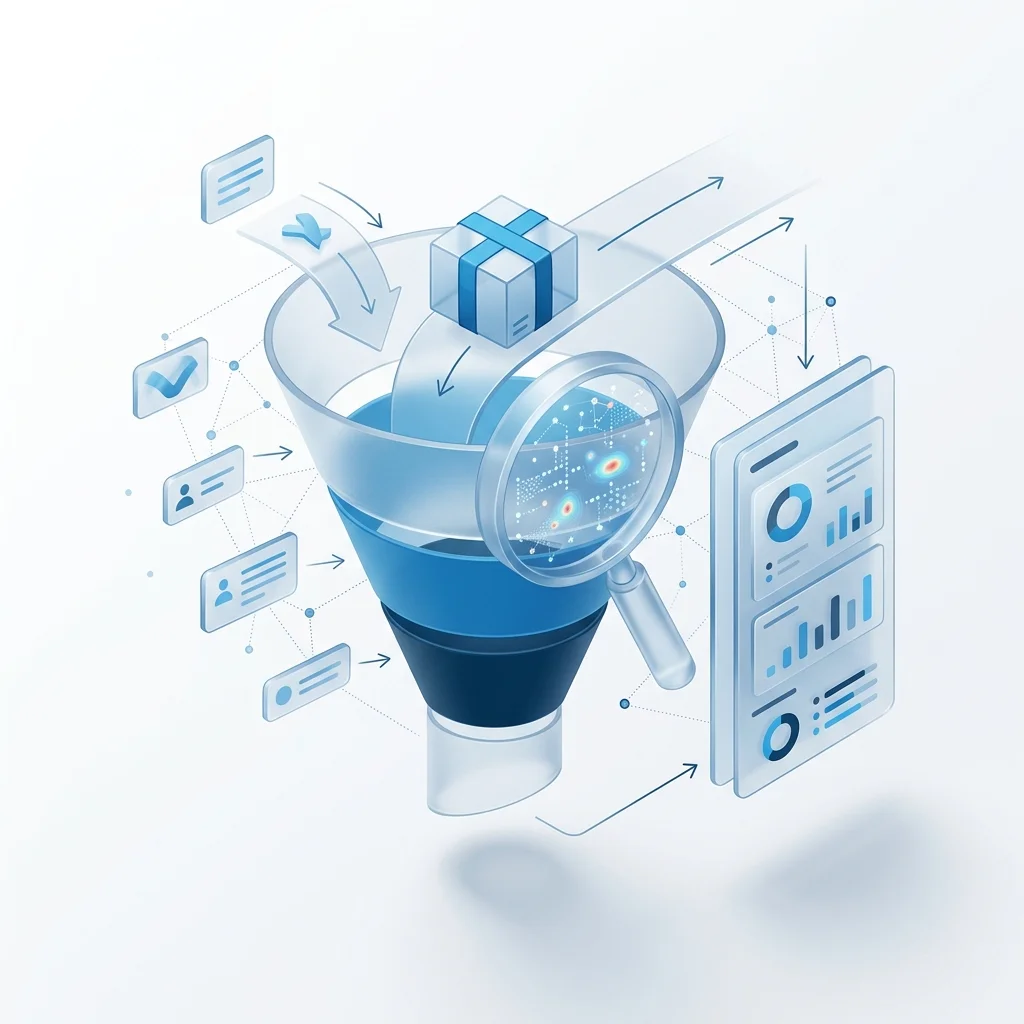
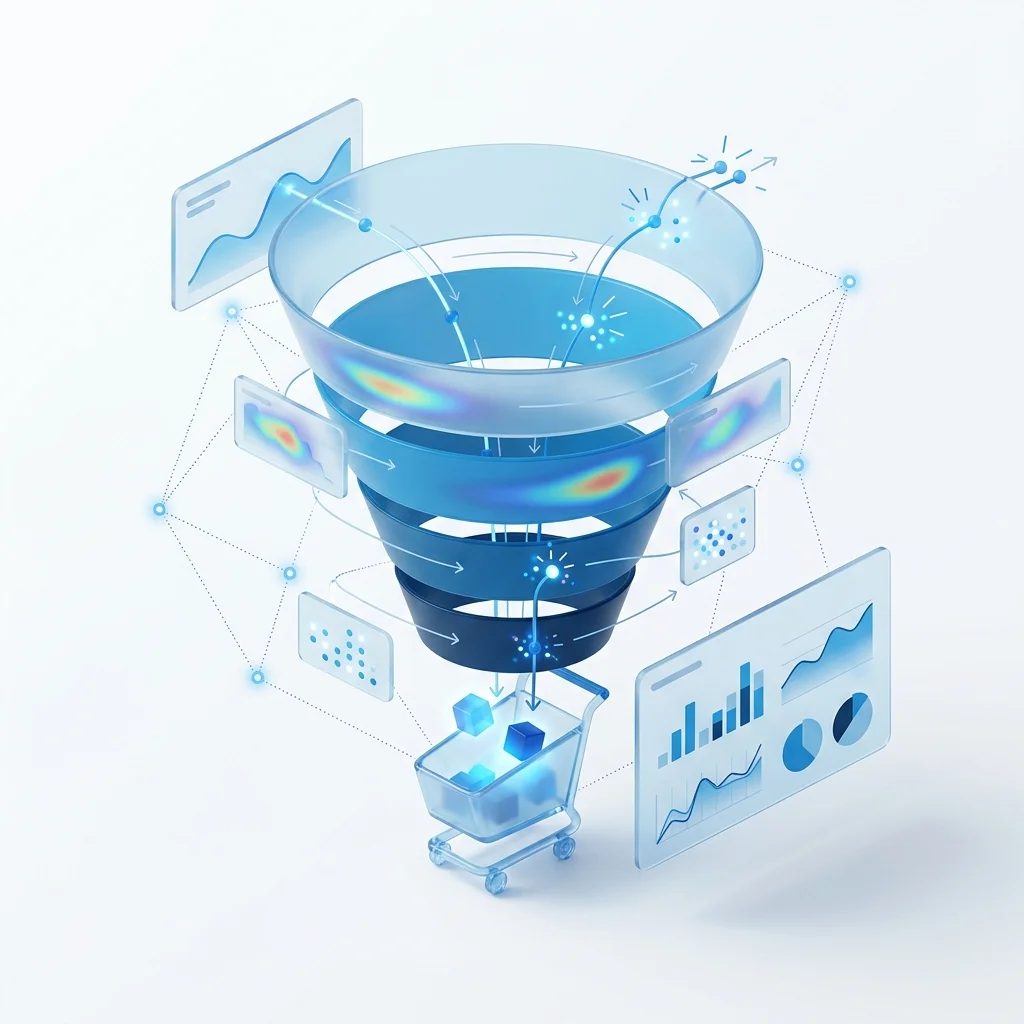
First, we defined the customer journey in technical layers: discovery, booking, confirmation, tracking, exception response, and post-delivery behavior. Each layer had its own risk signals. For example, booking-stage friction could indicate form complexity or unclear shipment expectations. Tracking-stage repetition could indicate uncertainty, missing updates, or low trust. Exception-stage silence could indicate a delivery that was drifting toward failure without customer engagement.
Next, we connected behavioral events to logistics outcomes. That meant tying actions such as cart abandonment, address edits, booking retries, notification opens, and tracking frequency to actual shipment states. Once those relationships were visible, the platform could classify behaviors that were harmless from those that were predictive of technical failure.
We then built intelligence rules that helped the team act earlier. If a booking showed repeated correction patterns, it could be flagged for validation. If a shipment entered an exception state and the customer had gone inactive, it could be routed into a higher-priority follow-up lane. If tracking behavior suggested rising concern, the system could trigger a proactive response before the user raised a support ticket.
The final layer was operational feedback. Instead of treating customer behavior as a separate marketing input, the platform sent it back into the logistics workflow. This is where the solution became more than analytics. It became a control system. The organization could see where customer behavior was creating friction, where the process was unstable, and where technical intervention would save time, reduce error, and improve shipment confidence.
The Results
- 38% fewer booking correction requests
- 42% faster exception shipment detection
- 31% lower manual support intervention
- 47% better visibility into customer behavior patterns
- 36% faster response to tracking irregularities
- 33% reduction in repetitive customer follow-ups
- 40% improvement in operational awareness across workflows
Bottom Line
The Business Behavior Intelligence Platform did not sit outside the logistics stack. It became part of the decision layer inside it. By reading customer behavior as technical signal, the platform helped the team understand where the process was breaking before the break became visible.
In a business that already serves domestic and international delivery at scale, that difference matters. It means fewer avoidable errors, better timing, cleaner handoffs, and a customer journey that feels more controlled from booking to delivery.
More case studies

Let's map your highest-leverage system
Tell us where revenue leaks, where operations slow down, or where the next product should go. We'll come back with a clear, senior point of view — no obligation.