Vulnerability assessment used to be simple, right? Run a scan, get a PDF full of CVEs, and patch what you can. Now with 2,200,000 new vulnerabilities dropping yearly and attackers weaponizing zero days before breakfast, that approach got buried. TMITS gets this chaos, building AI cybersecurity that actually moves the needle instead of just generating reports.
AI Eats Vulnerability Assessment Alive
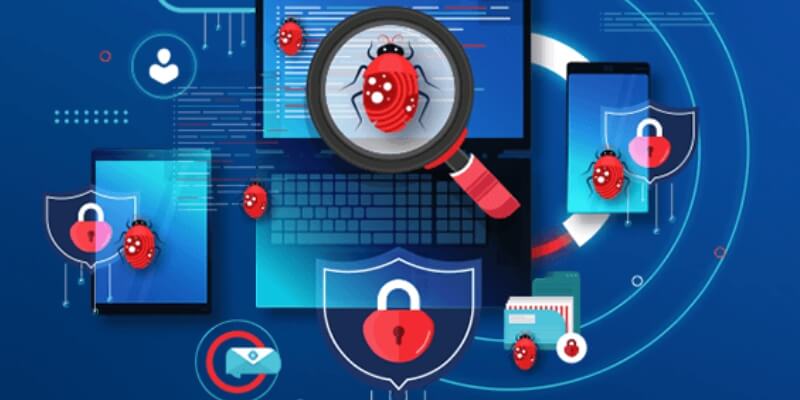
Do you remember the long wait for scanning windows? AI cybersecurity has eliminated that. Vulnerability assessments via AI now run continuously, 24/7, analyzing all containers, APIs, and cloud configurations while you sleep. Traditional security tools require vendor signatures to identify known vulnerabilities; however, TMITS uses artificial intelligence to identify them.
The stats say it all: 165,000 protection gaps, 90,500 exploits, and 135,000 vulnerabilities currently exist on the radar, with AI cyber threat detection enabling early detection of risk, 49,500 and 27,100 threats, eliminating the reactive nature of dealing with these risks after they've transpired.
Zero Day Detection Finally Gets Smart
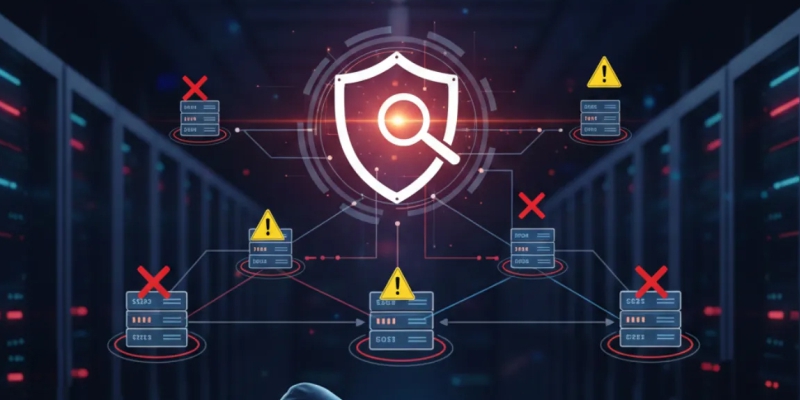
Zero-day vulnerabilities used to equal "pray and hope." Attackers find a flaw, weaponize it, and automate exploit scans to search the internet for victims before you notice the logs. 2026 trend? AI-powered vulnerability prediction that forecasts these monster days early.
TMITS ' zero-day exploit detection doesn't wait for indicators. Their neural nets, trained on attack chains,s simulate weaponized zero-day paths through your actual stack. Memory corruption in web app? They'll flag it before the researcher writes CVE. Predicting zero-day vulnerabilities using AI actually works now. Curious? Check TMITS AI cybersecurity solutions.
Cloud Assessment That Doesn't Choke
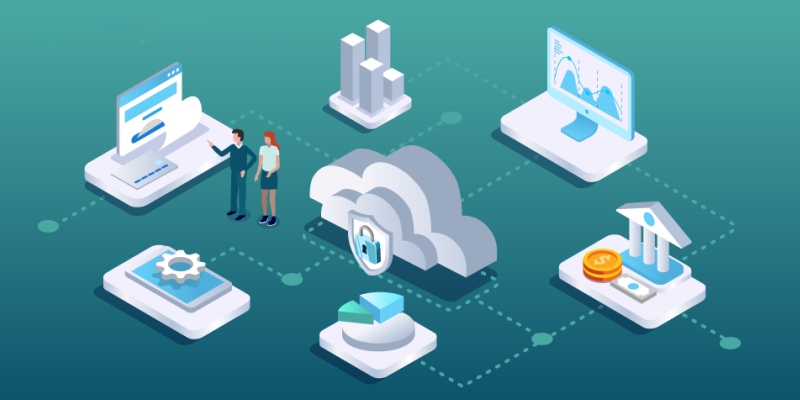
Everyone is in the cloud, and many vulnerability assessment solutions struggle with Kubernetes, serverless functions, and dynamic scaling. This new world order warrants that we have ways to predict vulnerabilities for our cloud workloads that are specific to containers, Fargate, and Lambda.
TMITS creates a mess in the cloud. Their AI-driven vulnerability management scans create pods and detect misconfigurations while being deployed, and will predict lateral movement through the namespaces. Using AI to automatically detect exploits, we can prevent cloud hoppers from pivoting before they reach their target. Perfect for Indian SaaS businesses ramping up to attack the global market out of Bengaluru.
Threat Intel Goes Local for India
Global feeds help, but India faces different beasts: festive ransomware, Mumbai supply chain compromises, DPDP compliance landmines. Smart vulnerability assessment blends MITRE with local TTPs.
TMITS threat intelligence platform mixes Chainalysis blockchain data with Indian banking trojan signatures. They track regional exploit kits nobody talks about. AI-based threat prediction for organizations that actually match your geography. See how at the TMITS threat intelligence platform.
Risk Scores That Make Business Sense
CVSS scores? Cute but useless. Real vulnerability assessment weighs breach cost, customer impact, and regulatory fines together. TMITS scores your exposed CRM higher than internal Jenkins.
AI security for zero-day threats prioritized by blast radius. Payment gateway > dev wiki. Patch what bleeds money first. Our TMITS vulnerability assessment services dashboard shows why this beats generic scanners cold.
Remediation That Actually Fixes Stuff
Four-hundred-page reports are excessive. Automated systems can deploy WAF rules, create PRs, and generate virtual patches via leading tools. TMITS AI-led vulnerability management allows for chaining of assessment to action.
Is there an SQL injection vulnerability in the API? The WAF rule exists for 90 seconds. Does GitHub have an API key? The credentials are rotated before an attacker can make use of them. Every day, predicting and preventing automated exploits becomes an expectation. The phrase used to be "Security found it; engineering ignored it."
India Specific AI Cybersecurity Muscle
India's threatscape breathes differently. Festival phishing spikes, domestic ransomware strains, supply chain backdoors from "trusted" vendors. TMITS AI cybersecurity solutions for India are wired for this pulse.
TMITS AI vulnerability assessment dashboards track regional campaigns plus global heavyweights. Built in DPDP scanning, RBI cyber norms. Scales from a Gurgaon startup to a multinational CISO. Check TMITS enterprise security solutions.
Quantum Threats on Vulnerability Radar
Crypto breaks coming. Smart assessment flags quantum-vulnerable TLS 1.2, ECDSA keys, and suggests PQC migrations. TMITS scans the current crypto posture, simulates harvest now, and decrypts later attacks.
Their AI-based zero-day attack detection trains on quantum threat models, too. Proactive zero-day exploit detection thinking 3 years ahead while patching today's holes. Test it live: TMITS AI-powered vulnerability prediction demo.
Developer Velocity Without Security Debt
DevOps is a problem with Speed and Security - Security debt accrues as teams push out lots of code quickly while waiting for security assessments. The result is huge amounts of technical debt. In 2026, growth will be focused on integrating vulnerability assessments into CI/CD pipelines instead of adding them after the fact.
TMITS integrates its AI-driven vulnerability scanner into GitHub Actions, GitLab CI, and Jenkins. When you make a pull request, VM scans the pull request in real-time and will flag deserialization in parallel with the pull request being merged. When a developer does a Docker build, VM predicts what vulnerabilities will be in the base image so that you can catch that before using it on the cloud.
Development teams in India who are scaling microservices are using TMITS to detect zero-day exploits and block supply chain attacks via npm packages and PyPI wheels. The practice of "shipping code before scanning" has now turned into a game of roulette. VM is also able to score pull requests based on the blast radius of the exploit (i.e., if you merge this, how much damage will occur?
If it can cause extreme damage, you’ll receive a message to block the merge; If it can cause low to moderate damage, VM will provide a recommended fix.
Security has changed from being a major roadblock to a guardrail. Developers can fix issues in the context of their work as opposed to having to work from a separate report generated by a scanning tool. Developers can push code faster with less risk by using VM as the tool to help ensure that making secure fast is the new norm.
The Assessment Game Changed
A quarterly activity, vulnerability assessments have now evolved into a competitive AI race; TMITS provides predictive zero-day detection, cloud-native scanning, auto-remediation, and intelligence specifically tailored to India, so you can be ahead of zero-day attacks before they happen. With the help of AI, we are shipping these solutions every day.
Frequently Asked Questions
Why AI vulnerability assessment over traditional scans?
AI predicts zero days before exploitation. TMITS finds flaws scanners miss completely.
How does TMITS detect zero-day exploits?
Neural nets simulate attack chains through your code. Flags weaponized zero days early.
Does it work for cloud native environments?
Scans Kubernetes, serverless, and containers live. Blocks cloud lateral movement instantly.
Do Indian businesses get special features?
DPDP compliance, local ransomware signatures. Understands India's threat patterns perfectly.
Biggest edge over vulnerability scanners?
Prioritizes by business damage, not CVSS. Auto fixes critical risks immediately.