
A web application’s success in today’s digital-first economy does not just depend on launching well but also on delivering consistent performance over time. Many applications at the start run fast with a smaller user base, but after some time, they slow down and crash.
In such situations, a scalable architecture is a key requirement.
Modern businesses require systems that support their growth while meeting customer needs and sustaining performance during periods of increasing operational demands. A scalable web architecture that can maintain your application performance and keep your system fast and stable while reducing costs.
Why Scalability Matters More Than Ever
As organizations began using cloud platforms, AI systems, and digital customer service solutions, the need for applications has increased sharply. Companies create software products that not just meet current user needs but also prepare their business for future expansion.
Scalable architecture provides multiple benefits to organizations, like its ability to maintain uninterrupted performance of systems during periods of high demand.
- Seamless performance during traffic spikes
- Smooth feature expansion
- Efficient handling of large data volumes
- Improved reliability and uptime
Without a proper scalability system, growth leads to system failures, decreased user satisfaction, and increased business expenses.
What is Scalable Web Architecture?
The practice of scalable architecture enables systems to maintain their operational performance during periods of increased workload requirements. Scalable systems handle demand increases through their capacity to expand without needing complete infrastructure reconstruction.
Types of Scalability
Vertical Scaling (Scaling Up)
Increasing server capacity by adding CPU, RAM, or storage.
Horizontal Scaling (Scaling Out)
Adding multiple servers to distribute workloads efficiently.
Most designs of contemporary web applications utilize horizontal scaling because this approach provides three essential advantages, which include system redundancy and continuous operational capacity.
Key Benefits of Scalable Architecture for Long-Term Success
1. Consistent Performance & User Experience
As traffic increases, the system performance deteriorates because the system contains design flaws. The scalable infrastructure system accomplishes its purpose by distributing system load, which allows for quick response times and uninterrupted user experience.
Business Impact: Higher user satisfaction and retention.
2. Business Growth Without System Rebuilds
Performance issues cause application rebuilding, which leads to operational disruptions and creates additional expenses. The capacity to scale systems gives businesses the opportunity to achieve their operational goals:
- Onboard new users effortlessly
- Expand services and features
- Enter new markets confidently
3. Cost Optimization & Resource Efficiency
It is cost-efficient for businesses to rip this off, as they pay only for the resources they use.
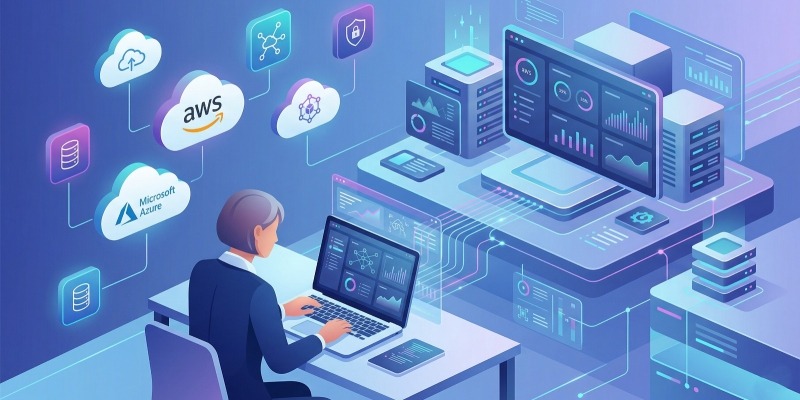
Amazon Web Services, Microsoft Azure, and Google Cloud Platform are some of the platforms that enable dynamic resource scaling based on demand.
Result: Lower infrastructure waste and better cost control.
4. High Availability & Reliability
Scalable systems keep up with redundancy, balancing of load, and failing of server status for continuous uptime.
Benefits include:
- Minimal downtime
- Fault tolerance
- Uninterrupted business operations
5. Feature Expansion & Faster Innovation
A foundation that can scale and enable development of teams to build new features while maintaining system stability, which then results in faster product delivery and ongoing development of new features.
Core Components of a Scalable Web Architecture
Cloud-Native Infrastructure
Provides scalability and global availability on demand.
Load Balancing
Distributes traffic across servers to prevent overload.
Microservices Architecture
Breaks applications into independent services that scale individually.
Caching Mechanisms
Stores frequently access data to improve speed and reduce server load.
Database Optimization
Techniques such as indexing, replication, and sharding support large-scale data processing.
Monitoring & Auto-Scaling
Real-time monitoring ensures systems automatically adjust to usage patterns.
Signs Your Web Application Needs Scalability Improvements
- Slow performance during peak usage
- Frequent downtime or crashes
- Difficulty adding new features
- Rising infrastructure costs
- Poor user experience as traffic grows
If these issues appear, your architecture may need restructuring.
What Scalable Architecture Means for Businesses in India
India's digital economy, which is experiencing rapid growth, leads to substantial increases in SaaS platforms, fintech systems, e-commerce operations, and digital service delivery.
Scalable architecture enables Indian businesses to:
- Handle high traffic during seasonal spikes
- Expand across regions without failures
- Support growing digital customer bases
- Maintain performance while scaling rapidly
As organizations continue to embrace cloud technologies while building their digital systems, scalability has emerged as a competitive edge that goes beyond its role as a technical improvement.
Best Practices for Building Scalable Web Applications
- Design with scalability from the beginning
- Adopt a cloud-first infrastructure
- Implement load balancing and caching
- Use microservices where appropriate
- Monitor performance continuously
- Build security and resilience into architecture
Final Thoughts
The selection of scalable architecture extends beyond technical design methods because it serves as a strategic asset for organizations to achieve sustainable growth. The system maintains its operational efficiency and financial performance while supporting increasing user activity and changing business requirements.
At TMITS, we assist organizations in developing web applications that can handle increased traffic while maintaining security and preparing for future requirements. Our solutions provide complete digital platform support through cloud architecture design, performance optimization, system modernization, and managed IT services.
TMITS provides organizations with assurance through system development that achieves scalable performance while generating enduring business benefits.
FAQs
What services does TMITS provide?
TMITS provides complete IT solutions, which include web development services that can be scaled according to needs, cloud architecture design, AI system integration, application development modernization, managed IT service provision, and MVP product creation.
Why is scalable architecture important for growing businesses?
The system maintains application performance while increasing user demand by preventing downtime and enhancing customer satisfaction through its reliable and affordable service delivery.
Can scalable architecture reduce long-term IT costs?
Yes. The use of cloud-based scalability enables organizations to manage resources more efficiently, reduce infrastructure requirements, and avoid costly emergency system upgrades.
How does cloud computing support scalability?
Cloud platforms deliver resources on demand, while their automatic scaling feature, combined with global access and high system availability, creates a framework that enables users to expand their operations without facing performance limitations.
Does TMITS work only on new projects or also improve existing systems?
TMITS works on both. We assess existing systems, modernize legacy applications, improve performance, and implement scalable architecture for future growth.